

Turn your books, learning cards and audio content into an interactive talking pen set. We manufacture children’s talking pens for custom projects, helping brands, publishers and education businesses develop products around their own content and market requirements.
Whether you are planning a branded learning kit or adding audio to a publishing project, the pen and printed materials need to work as one system. Start with your intended users, content and product requirements so the hardware, audio and packaging can be specified together.
Plan Your Talking Pen Customization
A successful OEM or ODM project starts with a clear brief. The table below outlines the areas to discuss; available options depend on the selected model and the agreed development scope.
| Project area | Details to define |
|---|---|
| Branding and appearance | Logo placement, colors, surface finish and whether an existing design or a new enclosure is needed |
| Books and learning cards | Content format, page or card quantity, interactive areas and printing requirements |
| Audio and languages | Target languages, scripts, recordings, pronunciation preferences and playback behavior |
| Hardware and functions | Storage needs, controls, speaker requirements, power supply and any additional functions |
| Packaging and accessories | Set contents, packaging artwork, instructions and retail or distribution requirements |
| Target market | Intended age group, destination countries and the product requirements to verify |
Share your priorities early. Distinguishing essential functions from optional features makes it easier to compare proposals and control development scope.
How Talking Pens Work with Printed Content
An OID talking pen reads codes printed on compatible learning materials and plays the audio assigned to each coded area. A tap might trigger a word, an instruction, a story or an activity, depending on how the content is designed.
The pen, printed codes and audio mapping must be compatible. For a new project, review the artwork, code requirements and audio files together before approving the final print run.
If you already have books or cards, compatibility needs to be assessed first. Ordinary printed pages do not automatically work with an OID talking pen. Depending on the project, the materials may need revised artwork, compatible coded stickers or reprinting. Confirm the proposed approach with sample materials before committing to production.
Prepare Your Content for Development
A structured content package helps everyone review the same requirements. Where available, prepare:
- Book or card artwork, with the intended interactive areas identified.
- An audio script that matches each interactive area to its recording.
- Target languages and any requirements for accent or pronunciation.
- Instructions for repeat playback, volume control and other requested interactions.
- Packaging artwork, logo files and the intended contents of the set.
If some materials are still in development, explain what is ready and what needs support. Content creation, translation, recording and technical integration should each have a clear scope and owner.
Confirm the Sample and Production Requirements
Evaluate the complete learning set, including the pen, printed materials, audio and packaging. Check whether the correct audio plays at each intended location and whether the controls and instructions are clear for the intended users.
Before placing a production order, agree on the final specification, approved sample, inspection criteria and relevant documentation. Confirm which test reports or other documents apply to the exact model, configuration and destination market.
Frequently Asked Questions
Can a talking pen project include more than one language
A project can be planned around multiple languages, subject to the selected model and content setup. Specify the languages, recording requirements and how users should select or access them. Multilingual audio content and multilingual device prompts are separate requirements, so include both in your brief where needed.
Can I use my existing books or audio recordings
Provide sample artwork and audio files for review. Existing recordings may be reusable if they meet the project’s technical and content requirements. Books need compatible printed codes and the correct audio mapping; compatibility should be demonstrated with a sample rather than assumed.
What is the difference between an OID talking pen and an AI reading pen
A standard OID talking pen typically plays prepared audio linked to printed codes. Products described as AI reading pens vary: some may offer voice interaction or online services, while others use different technologies. Define the functions you need and confirm them for the specific model. AI, Wi-Fi, Bluetooth and app connectivity should each be assessed as separate requirements.
What determines the minimum order quantity and price
MOQ and pricing depend on the selected model, order quantity and customization scope. New tooling, content integration, hardware changes and packaging can affect the quotation. Ask for unit pricing and any separate development, tooling or content charges to be itemized.
How long does a custom project take
Timing depends on design changes, content readiness, sample revisions and production requirements. Request a schedule that separates development, sampling and production, and identifies which approvals or materials are needed from your team.
Discuss Your Custom Talking Pen Project
Send us your target market, intended age group, estimated order quantity and the books or cards you want to use. Include your language requirements, branding ideas, preferred functions and target launch date.
With a clear project brief, we can discuss the appropriate product configuration and define the next steps for your quotation.
Contact us to discuss your talking pen project.

talking read pen for kids
MOQ: 1000pcs
Price: $12

talking read pen for kids
MOQ: 1000pcs
Price: $12

talking flash cards
MOQ: 1000pcs
Price: $3.5

talking read pen for kids
MOQ: 1000pcs
Price: $2.5
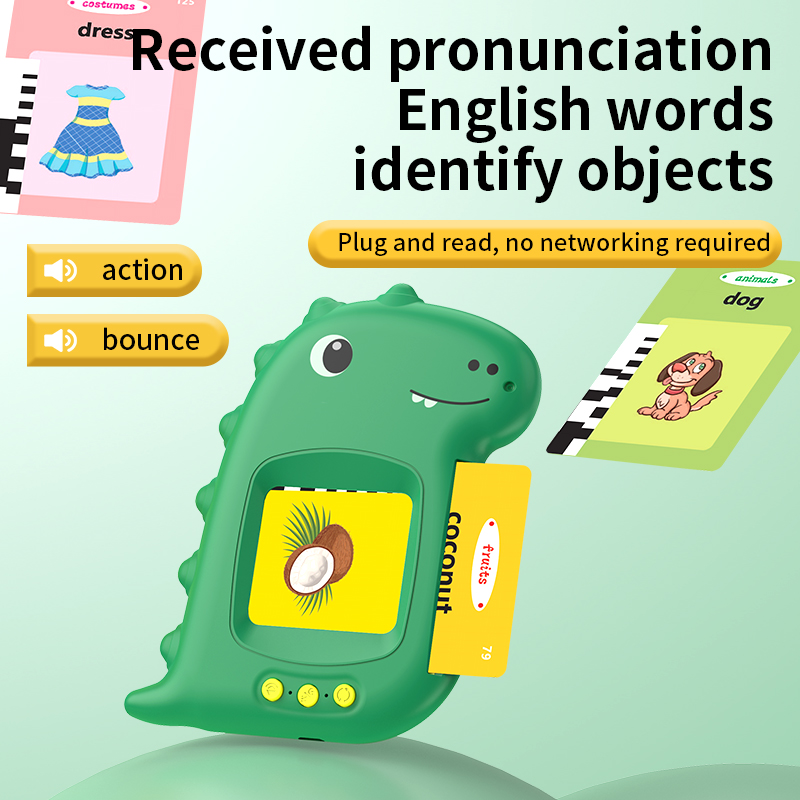
talking flash cards
MOQ: 1000pcs
Price: $2.5

talking flash cards
MOQ: 1000pcs
Price: $2.5

talking flash cards
MOQ: 1000pcs
Price: $2.5
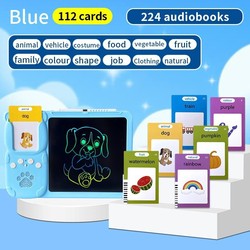
talking flash cards
MOQ: 1000pcs
Price: $5.5


